
Table of Contents
protects your network perimeter, but remote access compliance depends on controlling who is allowed in, how they connect, and what they can access once inside. That level of control does not exist at the firewall layer.
Compliance frameworks like SOC 2, ISO 27001, HIPAA, and PCI DSS are clear on what this requires. Remote access must be encrypted, tied to verified identities, restricted to specific resources, and fully logged. In this guide, we’ll break down how VPNs help enforce these controls and where firewalls fall short.
What Is Remote Access Compliance?
Remote access compliance requires external access to be justified, controlled, and auditable against defined standards. Organizations should be able to answer a few questions:
- Who accessed the system?
- From where was the access made?
- What did they access?
- Was it authorized?
- Can it be reviewed later?
If these questions cannot be answered clearly, access may still function, but it does not meet compliance requirements. This is where firewalls fall short. They can filter traffic at the network edge, but they do not provide visibility or control at the user and session level.
Why Firewalls Are Not Enough
Firewalls allow or block traffic based on IP addresses, ports, and protocols, but they do not verify who the user is. If multiple people connect from the same network or device, they appear identical, which makes it impossible to tie access to a specific individual.
They also do not control access at the user level. Once traffic is allowed, there is no way to restrict what a specific user can access based on role, need, or context. Access is broad and not limited to clearly defined boundaries or specific resources.
Most importantly, firewalls do not provide clear visibility into user activity. Their logs show network events, not user actions, making it difficult to determine who accessed what or review that access later. This is why firewalls fall short of compliance requirements.
What Compliance Frameworks Actually Require
Compliance frameworks expect organizations to ensure the following:
- Each session can be tied to a specific user: It should be clear who initiated access, without relying on shared credentials, IP addresses, or device-level identifiers.
- The connection is protected in transit: External access cannot rely on unprotected channels. If exposed, everything that follows is treated as compromised.
- Access stays within defined limits: If a user can move across systems or reach resources indirectly, access is treated as uncontrolled, even if no misuse occurs.
- Entry into the network is controlled: Access should not start at the network boundary. A defined layer controls who can connect before internal systems are reachable.
- Sessions can be reconstructed: It must be possible to trace what happened during a session without piecing together logs or making assumptions about user behavior.
- Activity stays within defined limits: If there is no way to verify that activity stayed within defined limits, the system cannot demonstrate controlled access.
How VPNs Enable Compliant Remote Access
With a VPN in place, access is handled differently from the start. It does that in a few ways:
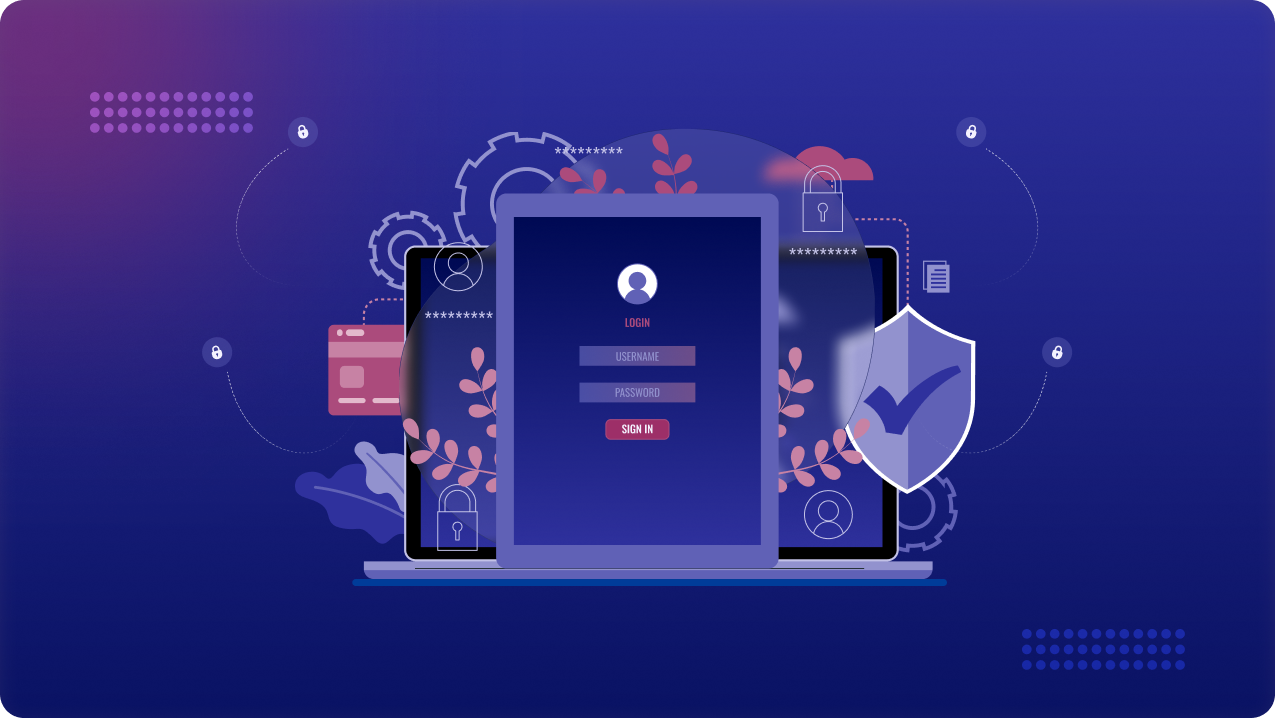
Identity-Based Authentication
VPN access is tied to a specific user, not just a network or device. Each connection is established through authenticated credentials, which makes it possible to attribute access to an individual and distinguish between users even when they connect from the same environment.
Encrypted Tunnels
VPNs establish encrypted tunnels for each session, ensuring that data in transit is protected from the moment the connection is made. As a result, access does not rely on open or unprotected channels when it originates outside the network.
Access Control
Access is not granted at the network level by default. VPNs allow organizations to define which systems or resources are reachable once a connection is established, limiting access based on what the user is authorized to use.
Logging and Audit Trails
VPN connections can be logged in a way that ties activity to a specific user and session. That means it is possible to trace when access occurred, who initiated it, and how long it lasted, without relying solely on network-level logs.
VPN vs Firewall for Remote Access Compliance
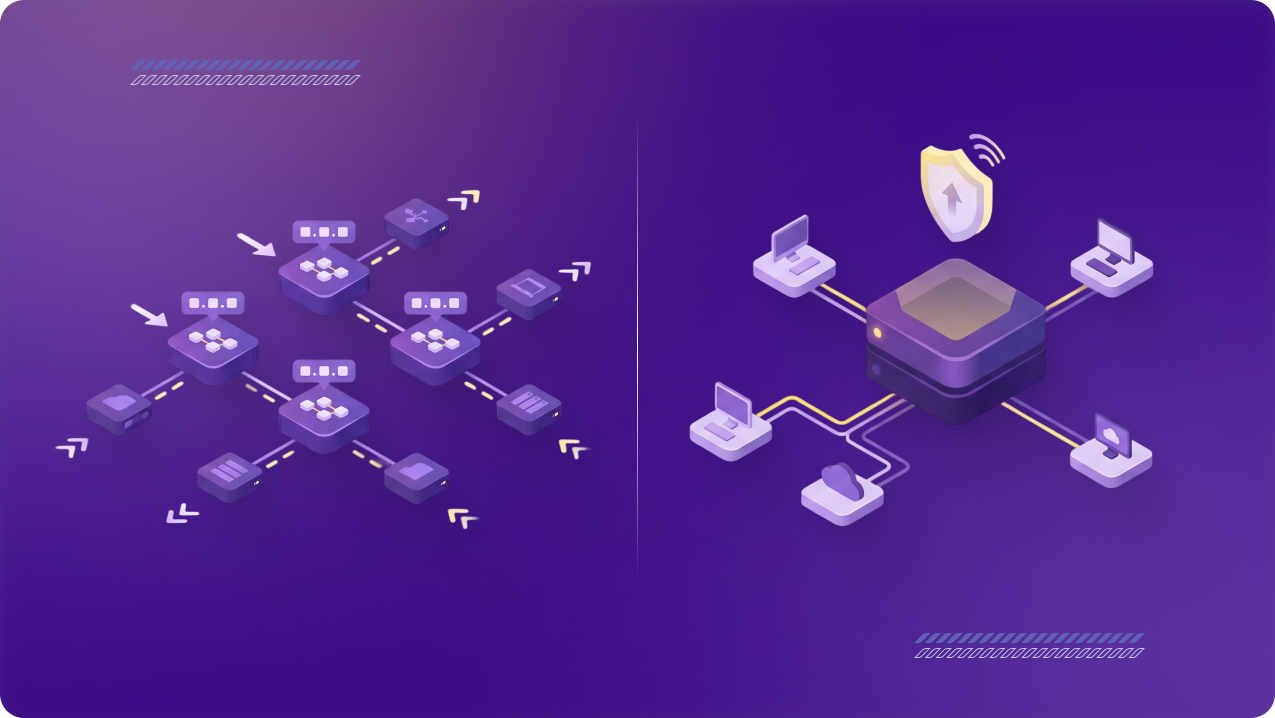
A firewall decides what traffic can enter your network. A VPN decides who can access it, how they connect, and what they can do. For remote access compliance, that distinction matters.
| Capability | VPN | Firewall |
| Controls who can access the network | Yes (identity-based) | Limited (IP or basic user rules) |
| Encrypts remote connections | Yes | No (unless acting as VPN) |
| Enables secure remote access | Yes | Not designed for it |
| Provides user-level session visibility | Yes | No |
| Supports access control by role or team | Yes | Limited |
| Allows user-level access revocation | Yes | No |
| Creates audit logs for compliance | Yes | Limited (network-level only) |
When Firewalls Still Matter
Firewalls still matter at the network level. Here’s where they are useful:
- Providing first-layer filtering in environments that require network-level protection
- Controlling traffic at the network perimeter using rules based on IP, ports, and protocols
- Restricting access to unnecessary services to reduce attack surface at the edge of the network
- Blocking known malicious sources and reducing exposure to unwanted inbound and outbound traffic
How PureVPN for Teams Can Help
PureVPN for Teams can support organizations with remote access compliance through:
Centralized dashboard for user management
Users and access are managed from a single place. Changes can be made without touching network-level configurations.
Static IPs for consistent access control
Dedicated IPs can be assigned per user or team, allowing access rules tied to IPs to be enforced consistently across systems.
Identity verification with MFA and SSO
Access is tied to verified user accounts using multi-factor authentication and single sign-on. This removes reliance on shared credentials.
Encrypted connections for data in transit
Connections are secured using AES-256 encryption. Data remains protected when access originates outside the network.
Session-level activity reporting
Each connection is tied to a user and session, which makes it possible to trace when access occurred and who initiated it.
Onboarding and offboarding
Access can be granted or removed from the same place, so permissions stay aligned with current roles and requirements.